
Some Items for the Journey
Curated through years of use; some favorite items that have inspired creativity, empowered problem-solving, and provided enjoyment.
We do not receive any commission and do not have any agreements or affiliations with the manufactures or suppliers of these featured items. Links are provided for convenience — if you find it cheaper someplace else, get it there!
These are some of my favorite items that have assisted my creative skills or expanded my paradigm in some way. I’m sharing these with fellow disruptive thinkers, creators and explorers to contribute to our Society mission. — Randall
My Idea Catcher System: The B5 Disc Notebook
SKIP TO 3:27 — This is the first homework assignment for my Creative B2B Marketing students — they will use this ANALOG/DIGITAL note system throughout the course and their careers.
The FIRST order of business for any Intrepid Disruptor is to be able to CAPTURE and FIND your collassaly awesome ideas. I have an impressive coneseures ’s collection of notebooks I’ve filled through the years: Moleskin, Leuchtturm, Baron Fig, etc…They are all beautiful — but useless.
Of course they have their uses for CHRONOLOGICAL diaries, course notes, trip travel log, etc… But you cannot remove, organize and archive their pages. You need something sleek enough to fit into a man-bag, laptop case, big purse or whatever you tote around to places to go and think, sketch, write and explore.
AND your ANALOG notebook needs to have the FUNCTION to remove/organize/archive pages so YOU CAN REFERENCE THEM later.
Bigger than the American Junior 5.5”X8.5” and not as cumbersome as the standard Letter size, I find the B5 is the perfect size big enough to sketch out web page strategies or a process diagram and small enough for EVERY-DAY-CARRY.
Yes, it’s a process to get the system together, one every-day-carry, and a couple archive notebooks but there’s no going back to juggling notebooks to find an idea.
Talia Discbound Notebooks, Planner, Customizable, (Clear, Midsize (7.5in x 9.75in))
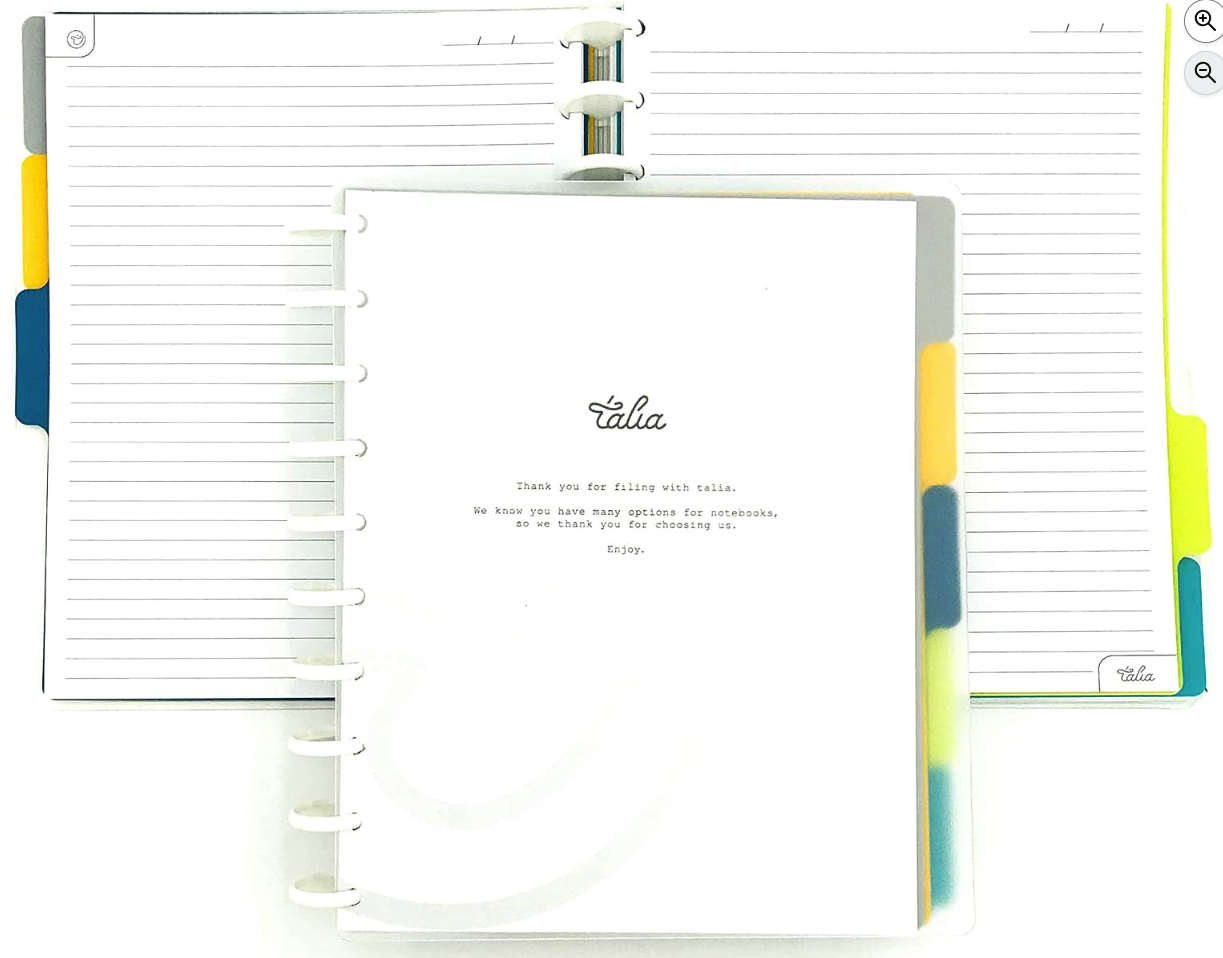
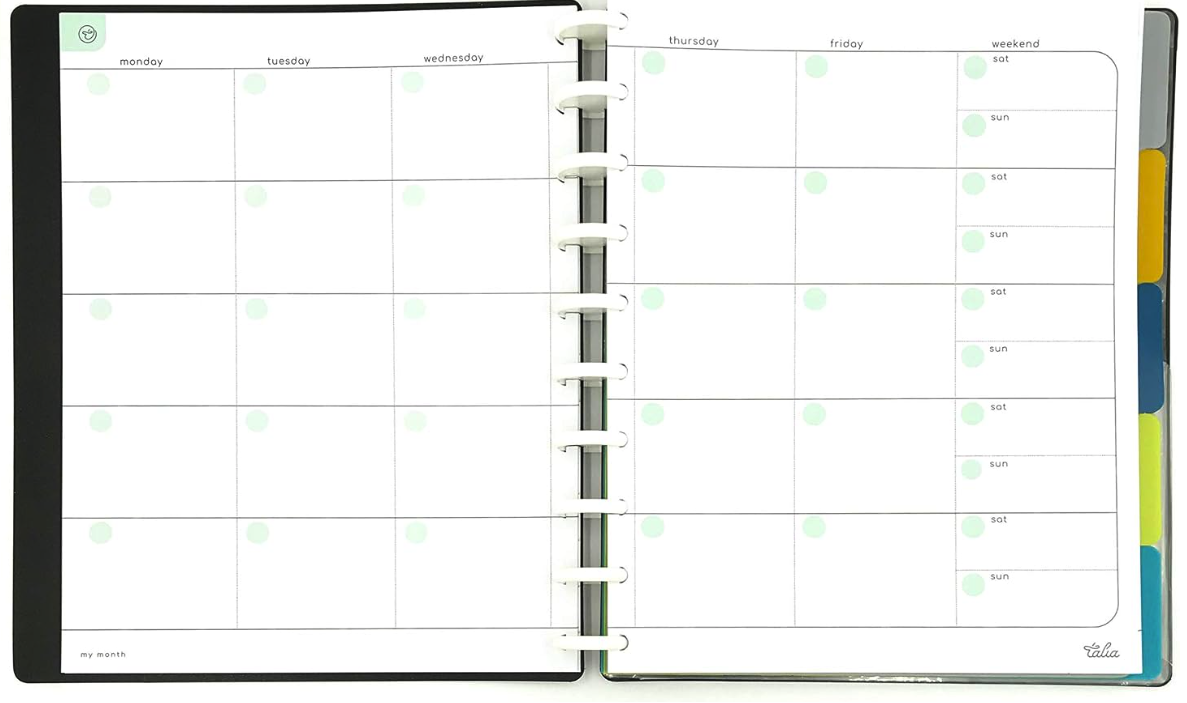
BTW: For the DIGITAL part of my Idea Catcher System, I use Microsoft OneNote (free version) and sync the PHONE app to my DESKTOP so I can speak notes on the go and then refine ideas back in my home office.
This is great way to get started with the B5, Disc bound, notebook with dividers and cover. I would recycle the horizontal lined paper and insert blank and light grid options (reasons in the above vid) and upgrade to the metal aluminum alloy discs where paper slides over easier and looks cooler.
Being able to pull the paper out is great for doing sketches that might involve templates or left-handed (HELLO me) folks where a bind system gets in the way when you need to move the paper around to write & sketch.
It’s GREAT having a notebook system WHERE I CAN find ideas and notes by SUBJECT rather than trying to locate that great marketing sketch I had for a client web page amongst 5 different Moleskins with home project lists, errand reminders, Costco shopping list, meetings notes, action items for the week, appointments, etc….
TUL® Discbound Notebook System Hole Punch, Silver
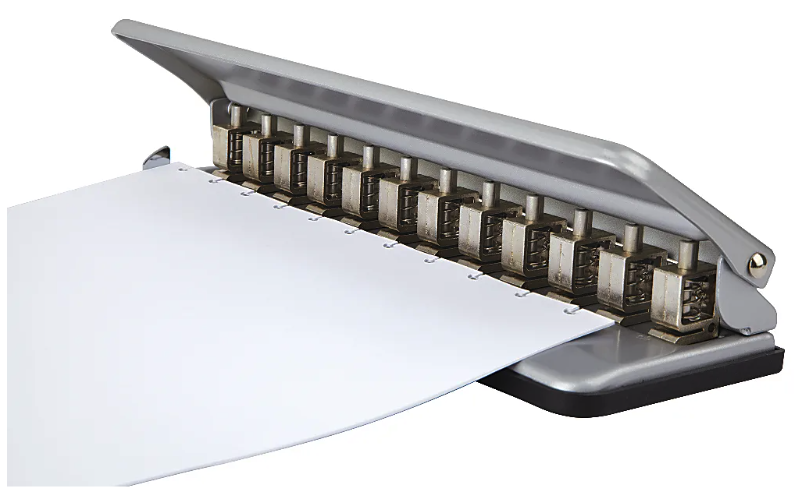
The Talia and Office Depot TUL (and Levenger Circa) have the same size & spacing disc (mushroom) hole shape — I got this hole punch to do my own paper.
I am VERY persnickety about paper so I get refills in the paper I like and trim it to B5 size with Xacto & ruler and then punch the holes.
OR, sometimes I get standard letter size paper that is PRE-PUNCHED for 11 holes (you see all over Amazon) and trim that paper to the B5 size. Don’t use the half-letter, Junior size notebooks. They’re ok for grocery lists but not quite big enough for mind-map, product concept sketch, diagrams, etc… work.
Maruman Loose Leaf Paper B5 3mm Grid 20 Holes 50 sheets L1214 x 3 Pack
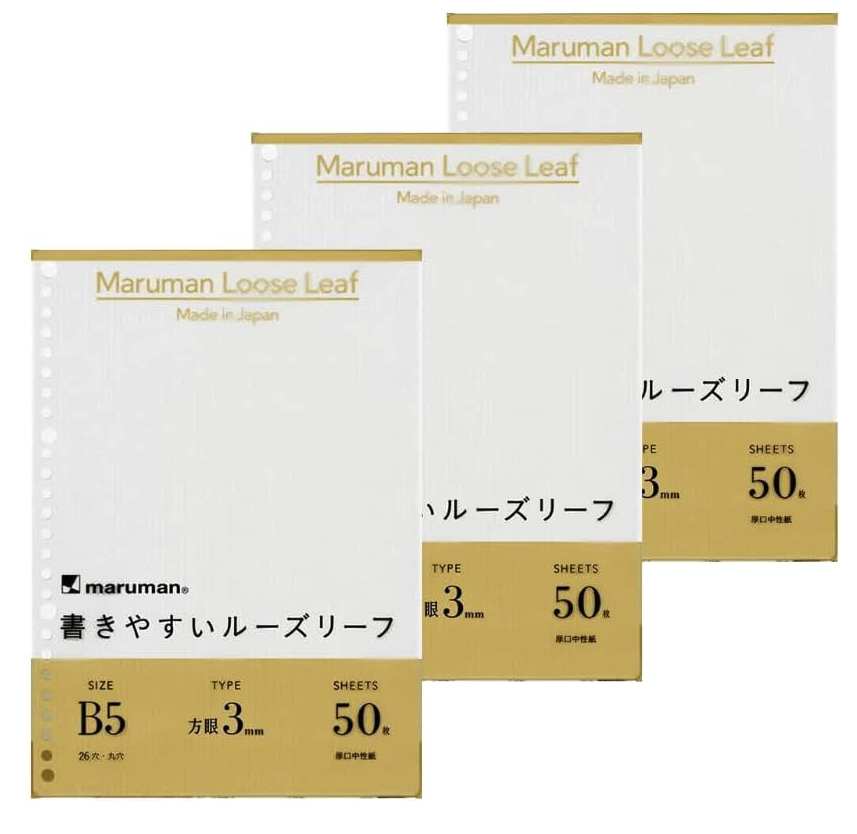
I LOVE Maruman papers. I typically order the grid loose leaf and trim the 20-hole edge off with Xacto and then re-punch with the disc punch to fit the Talia notebooks.
The GRID imprint is very light as any grid should be. I hate grids that are printed so dark it obscures your sketches (lookin’ at you, Rhodia).
11pcs Metal Discbound Expansion Discs 0.7" Silver Planner Disc
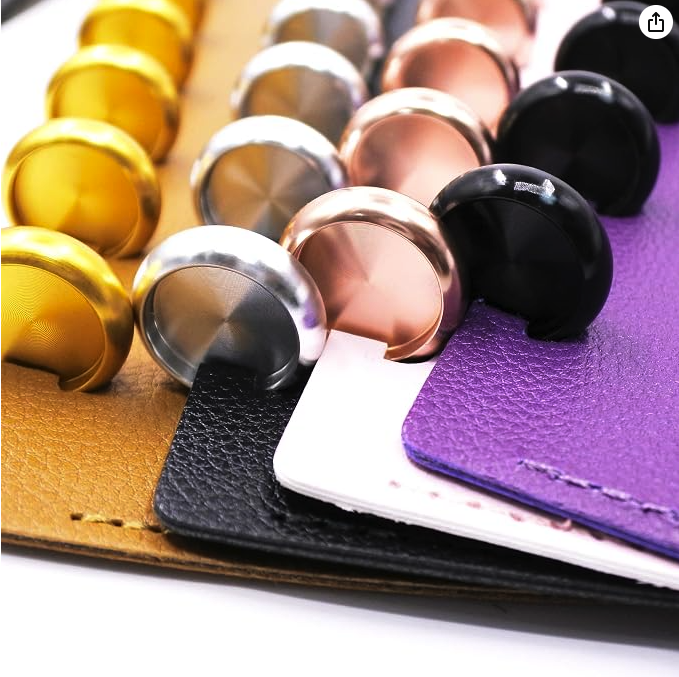
I highly recommend upgrading from the plastic discs to the metal (aluminum alloy)ones if you get a disc-bound system. The paper slides better, they look cool and will last forever. Do not pay Levenger (ridiculous) prices — big selection on Amazon, huge selection on Alibaba. I like the .7” for everyday and the 1” for archives.
The Perfect Notebook™
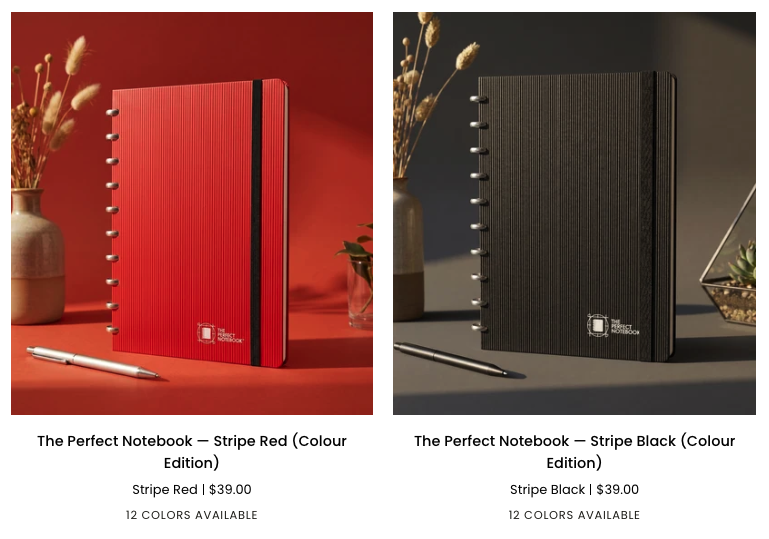
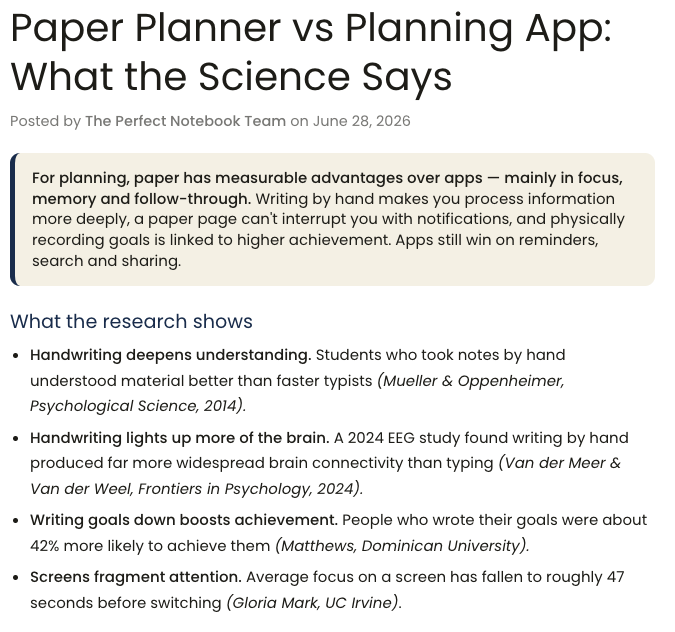
This looks like a nice indulgent option if you don’t mind being locked into their bindery/refill system. I like that they are a true B5 size (176mm X 250mm). I like that they, LIKE ME, are extolling the science-backed benefits of The Analog Way (hand writing / sketching). ALTHOUGH, AI (Gemini) says you can adjust your paper in an 11 hole (letter size) paper punch to get a 10 hole punch that will work for this. (Which is what I do to get the Maruman paper punched for my B5 Talia).
KOKUYO Refillable Spiral Notebook with Dividers & Tabs, B5 Hardcover 5 Subject Notebook
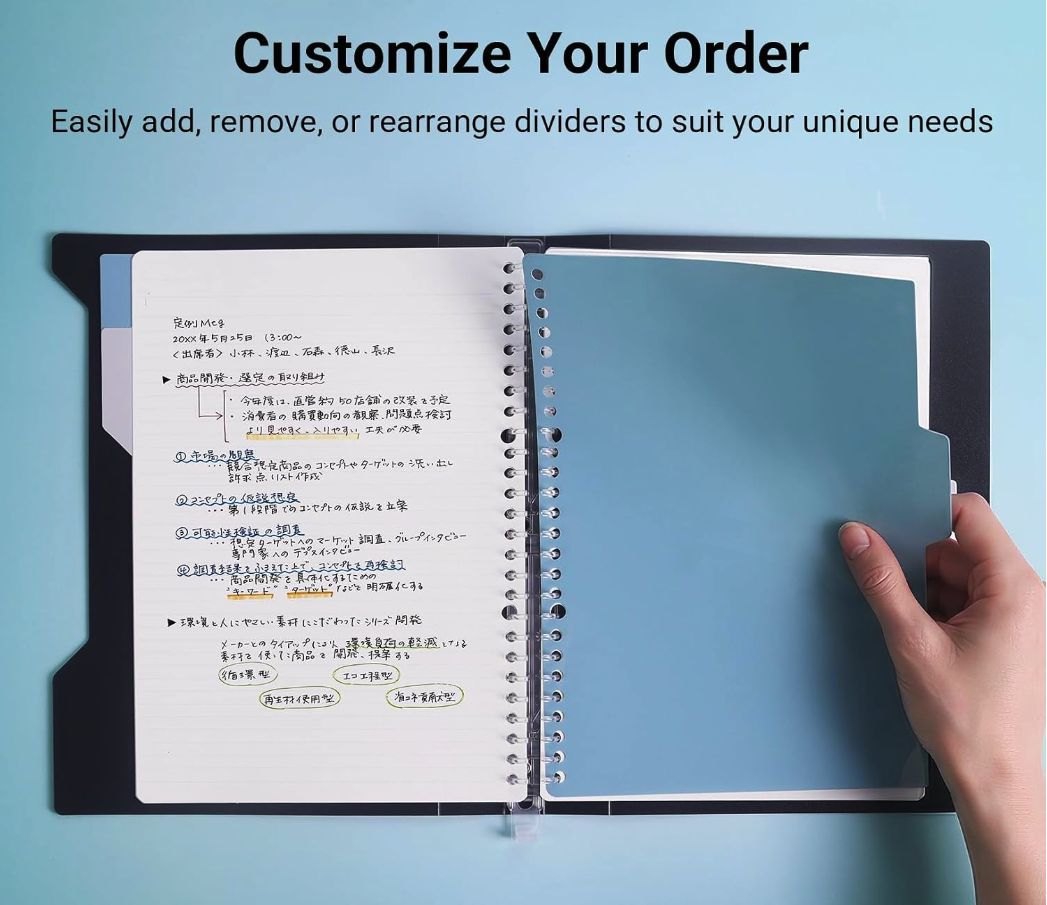
This looks like a good budget option. Get the thin one for everyday carry and the thick one for archives. I have not used one of these but it looks customizable and like that refill paper is readily available. Note that on this design you open and close the ring bind to organize dividers/pages while on the Disc systems above, you lift the paper out and press it back into position where the paper mushroom slots lock into the discs.
Pens, Pencils, & Markers


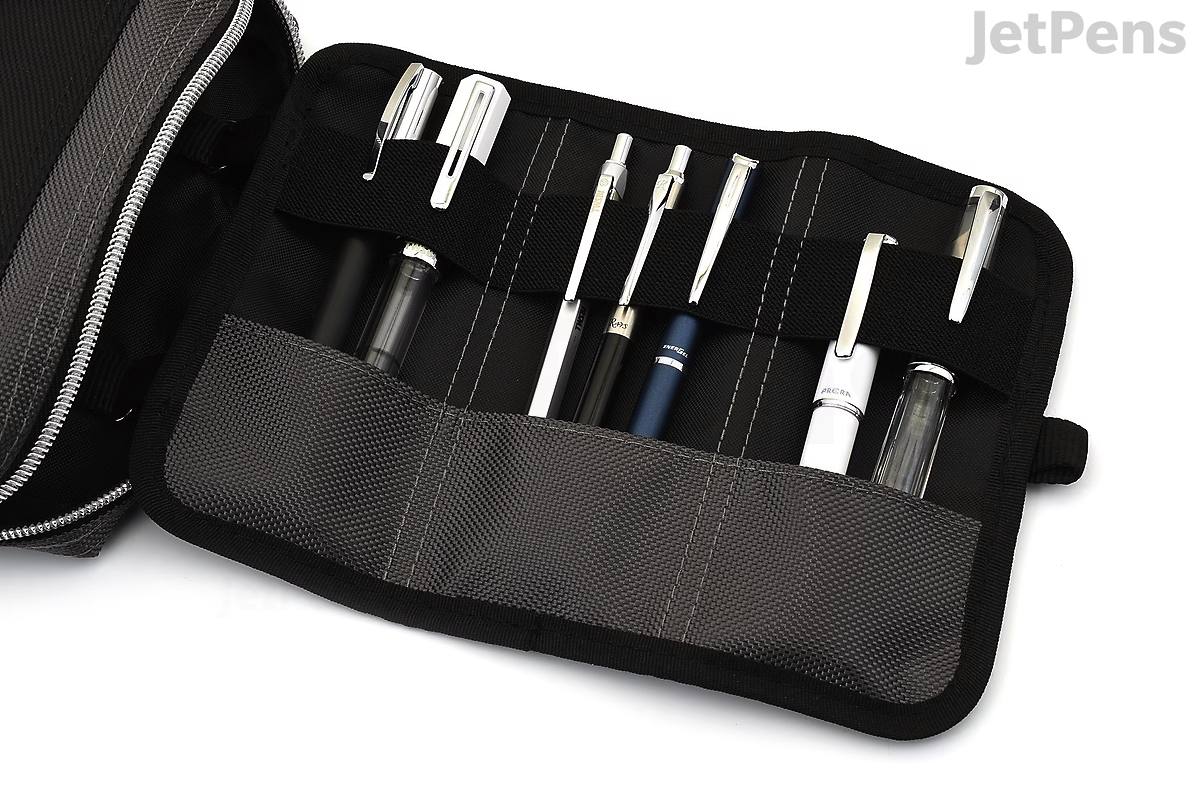
I have a two-part system for my pens & sketch tools:
1 • DESKTOP: I have a few pen holders for markers, templates, pens & mechanical pencils (I do not hassle with wooden pencils, colored pencils, or a set of multicolored markers but you do you).
2 • TO GO: I have a sleek, multi-pocket zippered case for a scaled-down version of note/sketch tools. I have a thin, small-sized shoulder strap laptop case (from Kinokuniya) that the B5 goes into with my to-go pen case — when a meeting pops up or I want to brainstorm someplace (I rarely if ever take my laptop) — coffee shop, hotel lobby, park bench, pub, etc…
These are some of my favorite sketch items:
Thin line (.3) rollerball (OHTO Dude) with fast drying blue-black ink (Pentel). Also Rotring rapid pro with same refill.
Hi-Tec-C (0.4) pens in red & black.
Pentel Sign pens in red & black.
Copic Multiliners in 0.3, 0.5, 0.7 permanent black.
Copic .Too and Blick markers in very light shades of blue, pale green and gray.
Kneaded erasers (I don’t like the crumbles of standard gum).
Pentel Graphic Gear in 0.9 mechanical pencil with Pentel blue lead (for light under sketches that do not smear).
Staedtler Mechanical Pencil in 1.3 blue lead.
Zebra Mechanical Pencil in 0.7 HB standard lead.
Very small 30/60/90 triangle and various templates from UI Stencils. The Quick Framer has proven to be exceptionally useful through the years.
Don’t say I didn’t warn you, this stuff can be addictive but here are my favorite brick & mortar and online shops for Idea Catcher System tools:
Books!
Some paradigm-shifting, inspirational and/or skill-building books that have expanded my headspace in the best ways possible.
Below are videos Part 1, 2, and 3 of Creative Problem-Solving strategies from my Creative B2B Marketing course where I review and discuss many of the books listed below. These battle-tested processes can be used for more than marketing — apply to any area of business and life.
The Universal Traveler: A Soft-Systems Guide to Creativity, Problem-Solving, and the Process of Reaching Goals
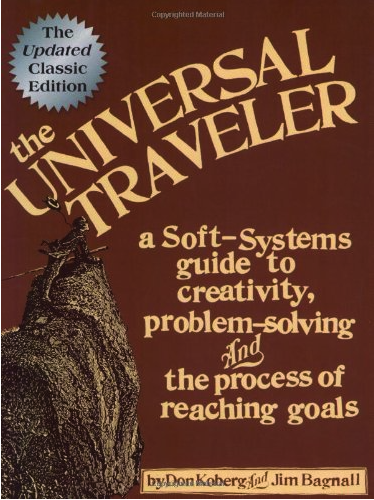
This book has served to eliminate any “blank page syndrome” I’ve ever had and is responsible for advancing my career through the years more than any book I’ve read.
There’s nothing more terrifying to a designer/artist/writer as having a tight deadline and looking at a blank page. I have been delivering high-quality and often exceptional creative solutions day after day, month after month, year after year for 40+ years. This is how it’s done.
It’s as fun to read as a comic book with it’s old-timey illustrations and chatty style. Written/illustrated by a couple architects/design instructors in the ‘70’s. Once I started applying the principles in this book, I could laugh at deadlines… ok, not all of them but I became solidly confident in the solutions I’ve delivered for ad agencies, Fortune 100 companies, and start-ups growing at break-neck speed.
A Kick in the Seat of the Pants: Using Your Explorer, Artist, Judge, and Warrior to Be More Creative
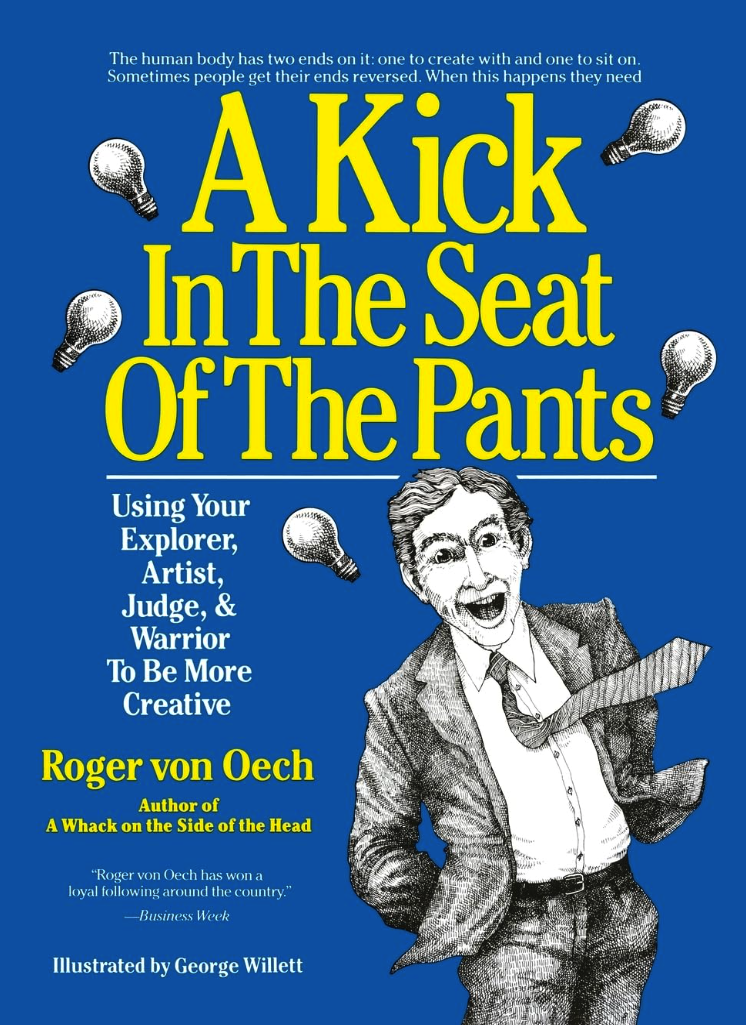
This book takes the basic principles of The Universal Traveler and distills them into four “roles” or personas — Explorer, Artist, Judge, Warrior in a fun and good humored way with clever illustrations. Again, as fun to read as a comic book.
The BIGGEST mistake I see just about every “team brainstorm” session I’ve been in (ad/marketing agencies or corporate marketing departments) is skipping the EXPLORER part of problem-solving and immediately jumping
into the Artist and Judge mode — always in a rush to “nail the solution” at lightning speed. Inevitably, we ALWAYS end up with mediocre slop that doesn’t offend anybody but is also unremarkable and unmemorable.
Learn these steps, do them, have fun with them and you will consistently deliver solutions worth talking about.
Sketchnote Handbook, The: the illustrated guide to visual note taking
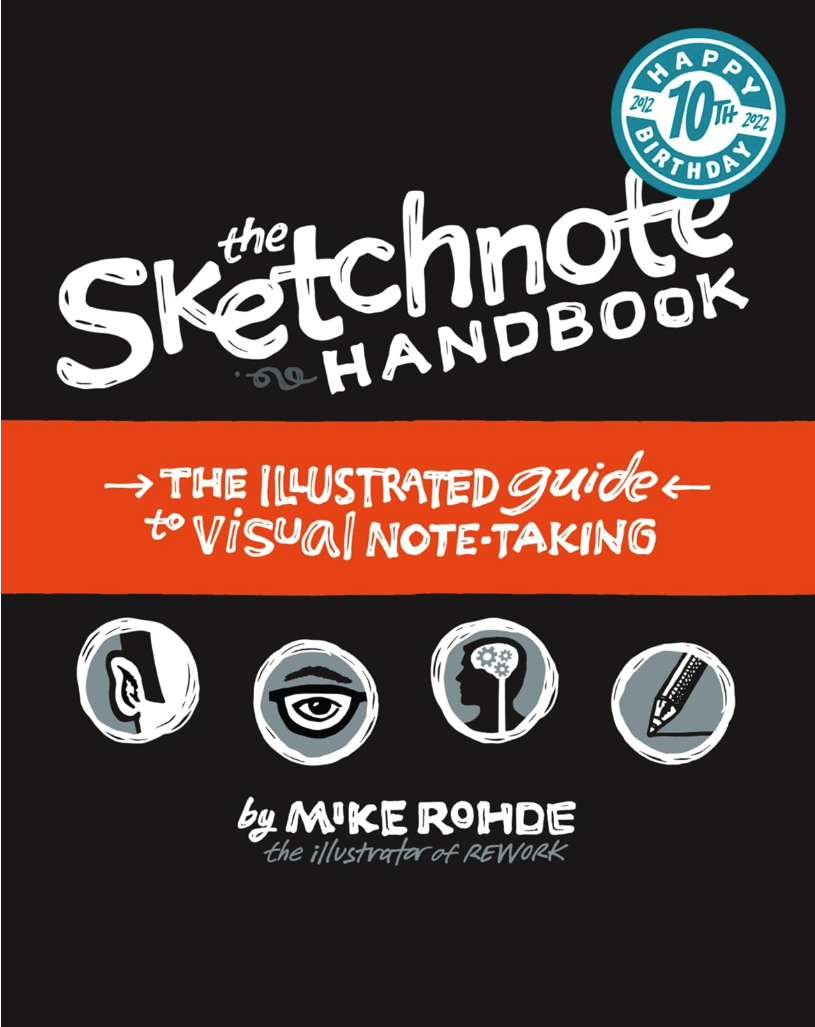
Now that you have your Idea Catcher System (analog version) together — what do you do with it? Beyond just a typical calendar/organizer (which I DO NOT use mine for) — this is the place to set your imagination on fire. Ideas/notes/musings that are worth coming back to later.
As young children we are encouraged to draw pictures as a way to communicate concepts: of family, friends, things that are beautiful, even things that scare us. TRAGICALLY (IMO), by second grade that innate exclusively human activity is trained out of us to be replaced with memorizing “right and wrong content”, math, English, science, etc… Creative thinking is relegated to MAYBE a high-school art class that most kids skipped in favor of a weed-smoking break.
In my opinion — the skill of sketching, drawing shapes, drawing concepts should be as serious and required as learning basic math and even further refined in college. This does happen a bit in the life sciences where you may find yourself sketching the various structures of a living cell.
Again, this book is another one that is as fun to read as a comic book and learning these skills is a lot like riding a bike or learning to swim — once you get it, the know-how is always there. The great thing about creativity is the more you use it, the more of it you have and can turn it on at will as opposed to “waiting for an idea to hit you” — you can cutivate a problem-solving process that is reliable as writing your name.
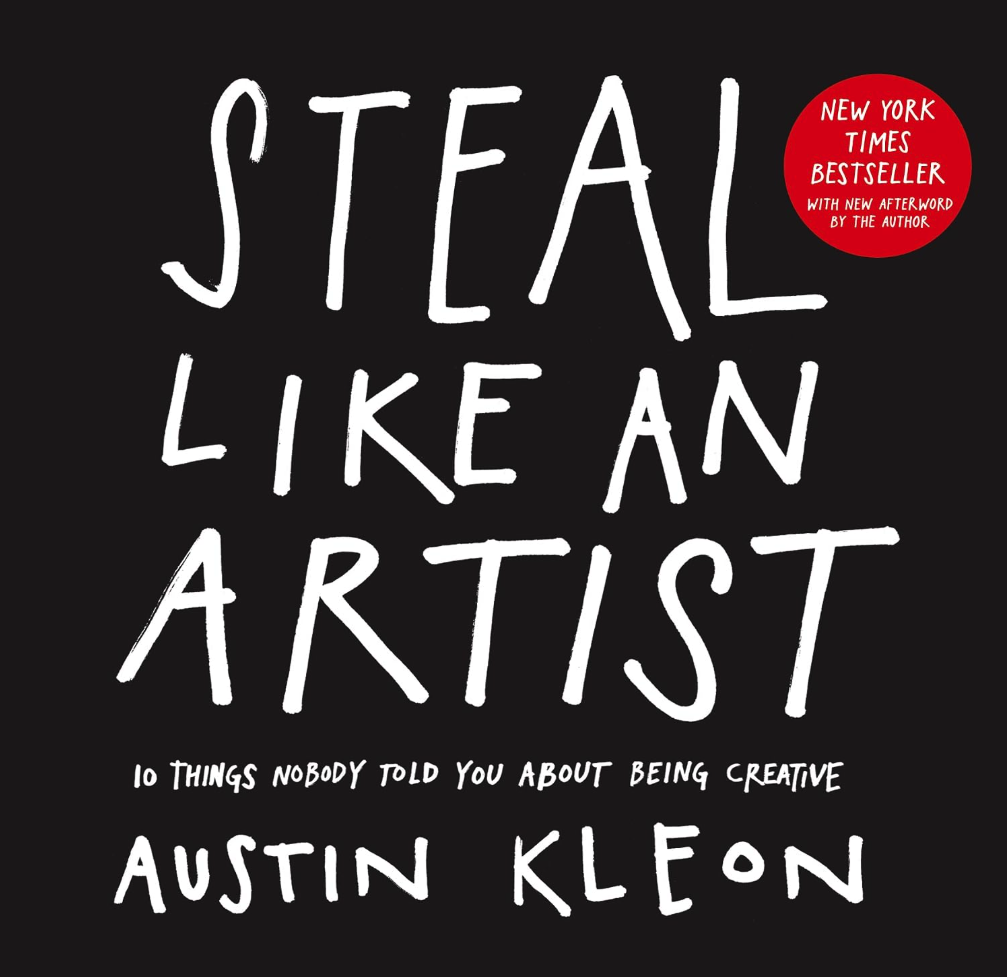
Steal Like an Artist: 10 Things Nobody Told You About Being Creative
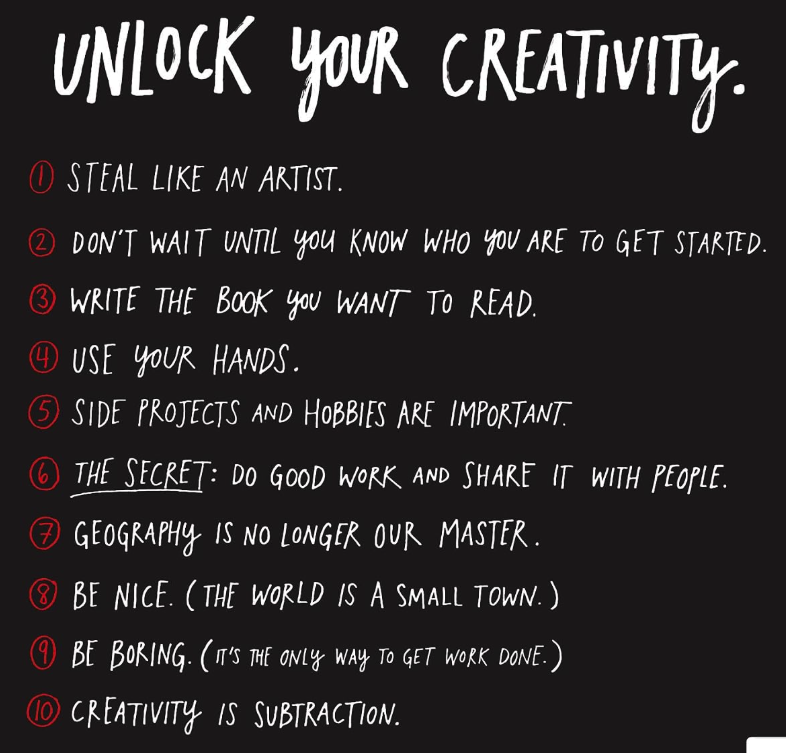
In the age of GenAI this book is even more relevant than when it was written. Here are 10 principles that help you squeeze all the good juice from your EXPLORER role in the creative process.
It’s about becoming an ethical idea kleptomaniac. Instead of staring at a blank page in anxiety, you’ll have a brain explosion of more ideas than you can quickly capture.
Drawing Ideas: A Hand-Drawn Approach for Better Design
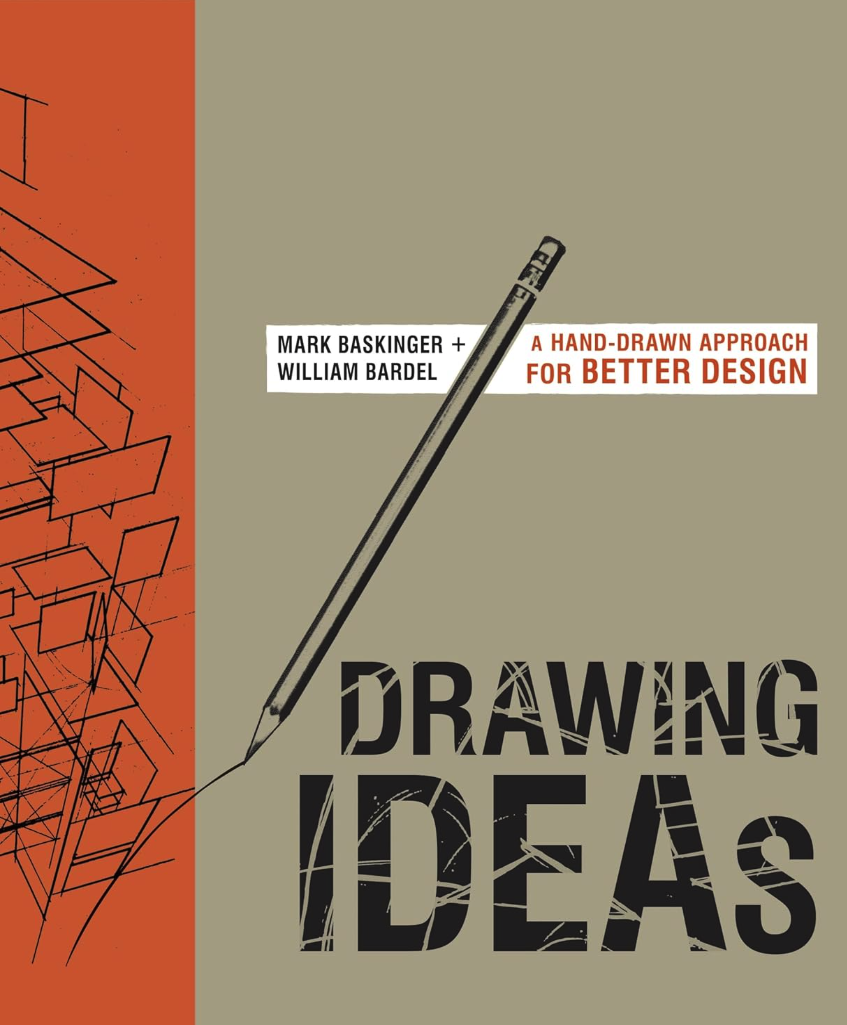
If you think you’re ready for the deep-end of the pool, it doesn’t get any better than this. It starts out at a beginner’s level but quickly (even though step by skill-building step) ramps you up to a master-class in being able to communicate visually. Using pretty much the same set-up (tools) I recommend above (except they like a bigger notebook area and will teach you how to make them).
I highly recommend this book to anyone who wants to get inspired to up their skill-level and confidently render accurate and clear sketches for product development, slide deck concepts, process functions, user interfaces, marketing videos and content, info-graphics, etc… You can even feed your sketches to a GenAI tool (I like Gamma and Nano Banana right now) and have it make your concepts “meeting ready” presentations.
Cosmic Trigger II: Down to Earth
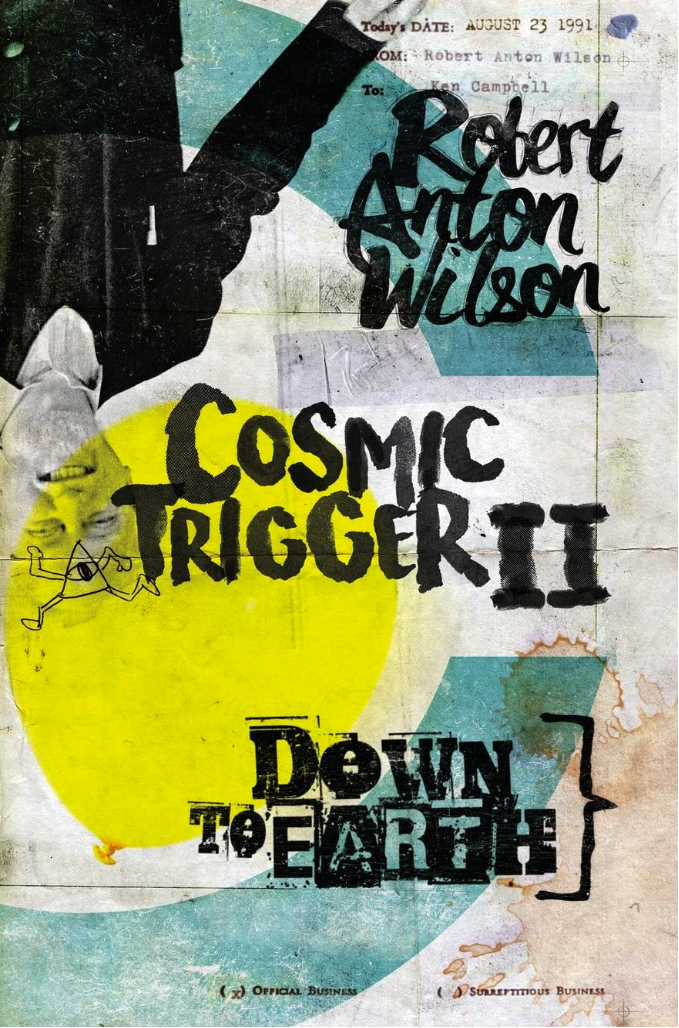
Ok — buckle up your brain because you’re in for some serious paradigm shifting. Anything you read by Robert Anton Wilson will pump up your IQ another 10 points. And by the end of any trilogy you read, you’re going to feel like you need a bigger skull.
Cosmic Trigger II (even before reading CT1 or CT 3) is the best way to dip your toes in before you cannonball your brain off a cliff hoping the water below is deep enough to keep you sane.
If you do a little cross referencing, you’ll find yourself getting introduced to mind-expanding worlds of Timothy Leary, Alan Watts and other intrepid thinkers.

Personal Power through Awareness, revised edition: A Guidebook for Sensitive People
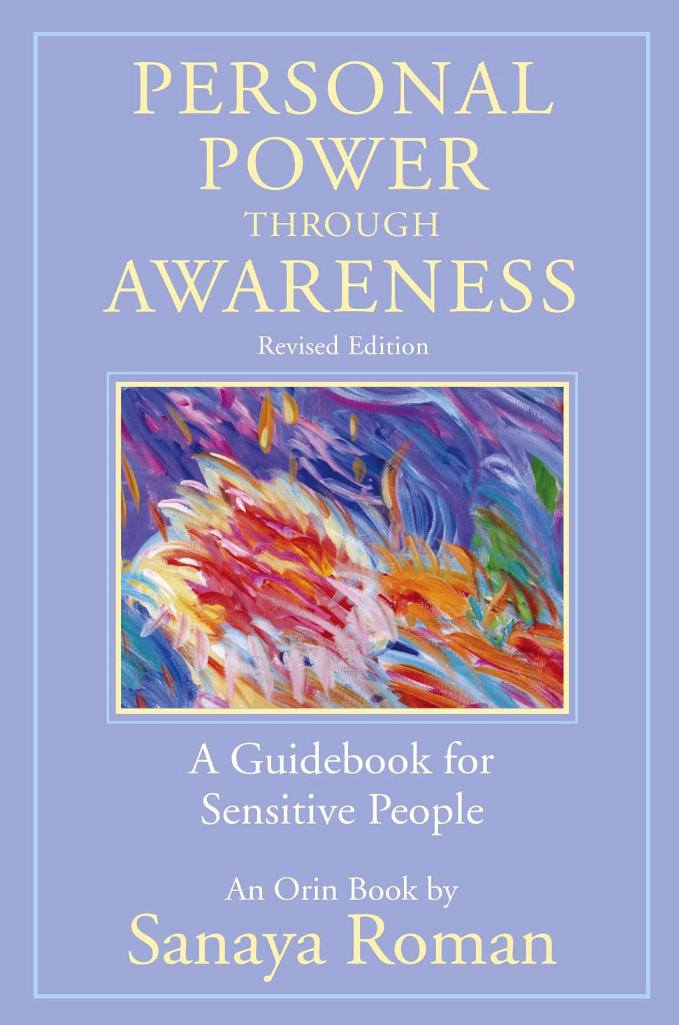
Creative people can feel like a canary in a coal mine when they need to survive and even thrive in an ignorant, critical and crude world. And sticking up for or presenting ideas that break out of mediocrity can feel like getting a root canal in slow motion.
This book has helped me to stay centered as a creative professional in storms of deadlines, unrealistic expectations, (not constructive) critiques of work, and every other destructive force that is hostile to new and/or disruptive ideas.

The Secret Teachings of All Ages: An Encyclopedic Outline of Masonic, Hermetic, Qabbalistic and Rosicrucian Symbolical Philosophy

I have been a curious and fascinated explorer of human/historical symbology ever since I could pick up a crayon. When I was a little kid, why was drawing a “peace” symbol eliciting such happy/angry/disgusted/ friendly reactions from the adults around me? It was the time of hippy protests, LSD, the Vietnam war, the downfall of Nixon… And when I drew the Christian cross, why did the grownups smile approvingly and pat me on the head? Symbols have power — even more so than language itself. If a “picture is worth a thousand words” then a symbol is worth a thousand pictures.
This Dover publication is but a shadow of the original 13” X 19” publication which I am lucky enough to own. The symbology, illustrations, and meticulously researched and written manuscript is nothing short of awe-inspiring.
Just opening this book and flipping it to any random (is it really random?) page and spending 15 minutes with it will shift your brain into new/unexplored dimensions and is so much easier to refocus from than a hit of LSD.
Your skeptical “adult” brain may think such legends, stories, philosophies, beliefs and ancient religions have no relevance/influence in today’s computerized world. I was exhilarated and delighted to have my mind expanded to new perspectives of today’s societies, histories, governments and religions.
Would I be mischievous enough to integrate sacred geometry and esoteric symbolism into the formation of a cheeky “Society?” Well, put on an Intrepid Disruptor Society T-shirt and ask yourself: “Do I feel lucky today?”